Replace several missing teeth, the natural way

When you're missing more than one tooth, multiple dental implants offer a fixed, beautifully natural solution. No removable dentures, no impact on your healthy teeth - just a stable, long-term answer that feels like your own.
What are multiple dental implants?
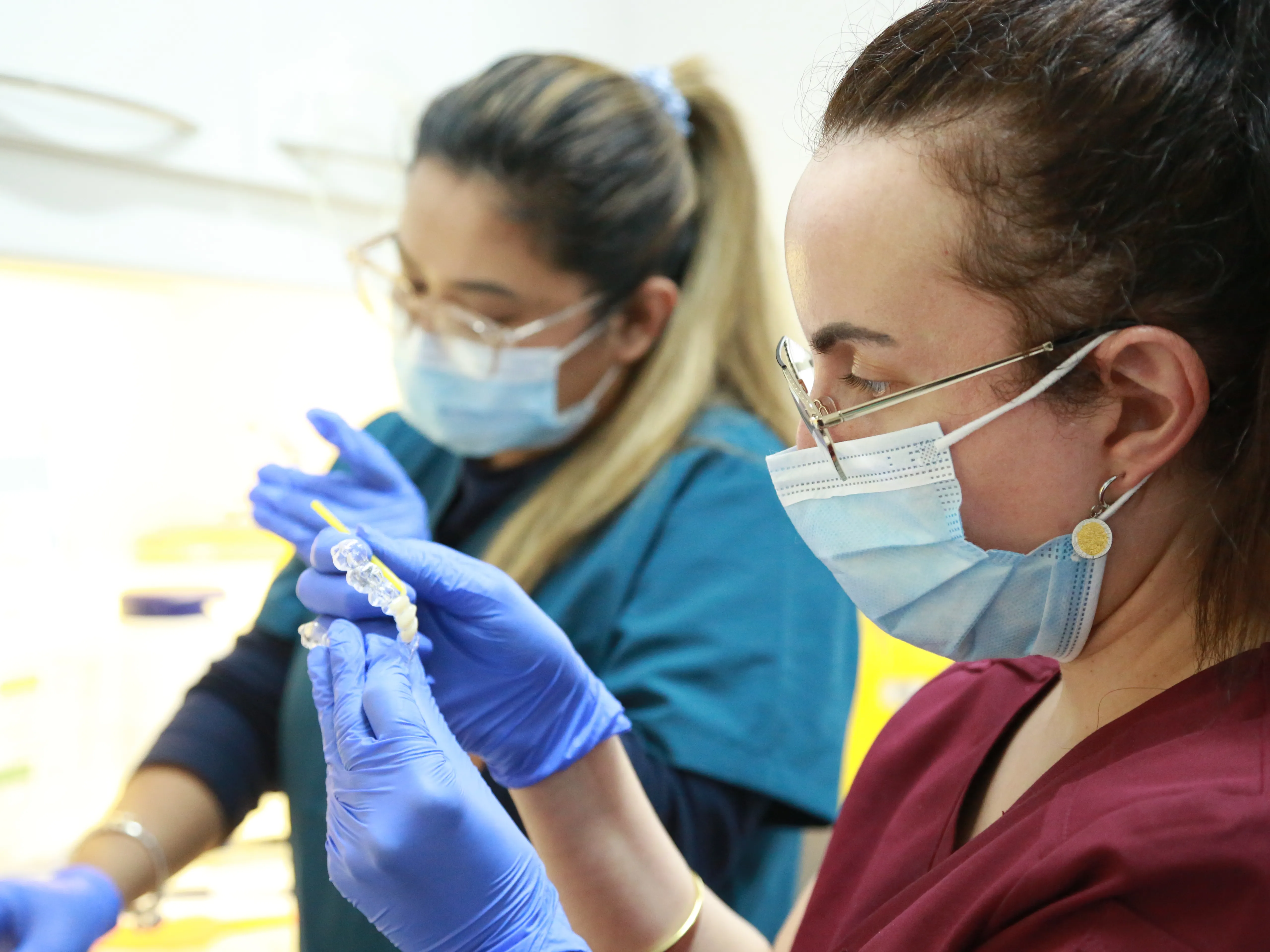
Multiple dental implants are exactly what they sound like - two or more implants placed to replace several missing teeth. Each implant acts as a replacement tooth root, supporting either an individual crown or, in many cases, a bridge that spans across several teeth at once. It's a far more elegant solution than the dentures or large bridges that used to be the only option.
Why replacing several missing teeth matters
Living with multiple gaps in your mouth is about more than just appearance. Neighbouring teeth tend to tilt or drift into the space, your bite gradually changes, the bone beneath the missing teeth slowly shrinks, and chewing certain foods becomes harder than it should be. Patients often tell us they've quietly adapted - eating less of what they love, smiling less in photos, becoming more self-conscious in social situations. Replacing missing teeth properly puts an end to all of that.
Caring for Richmond families for over 30 years
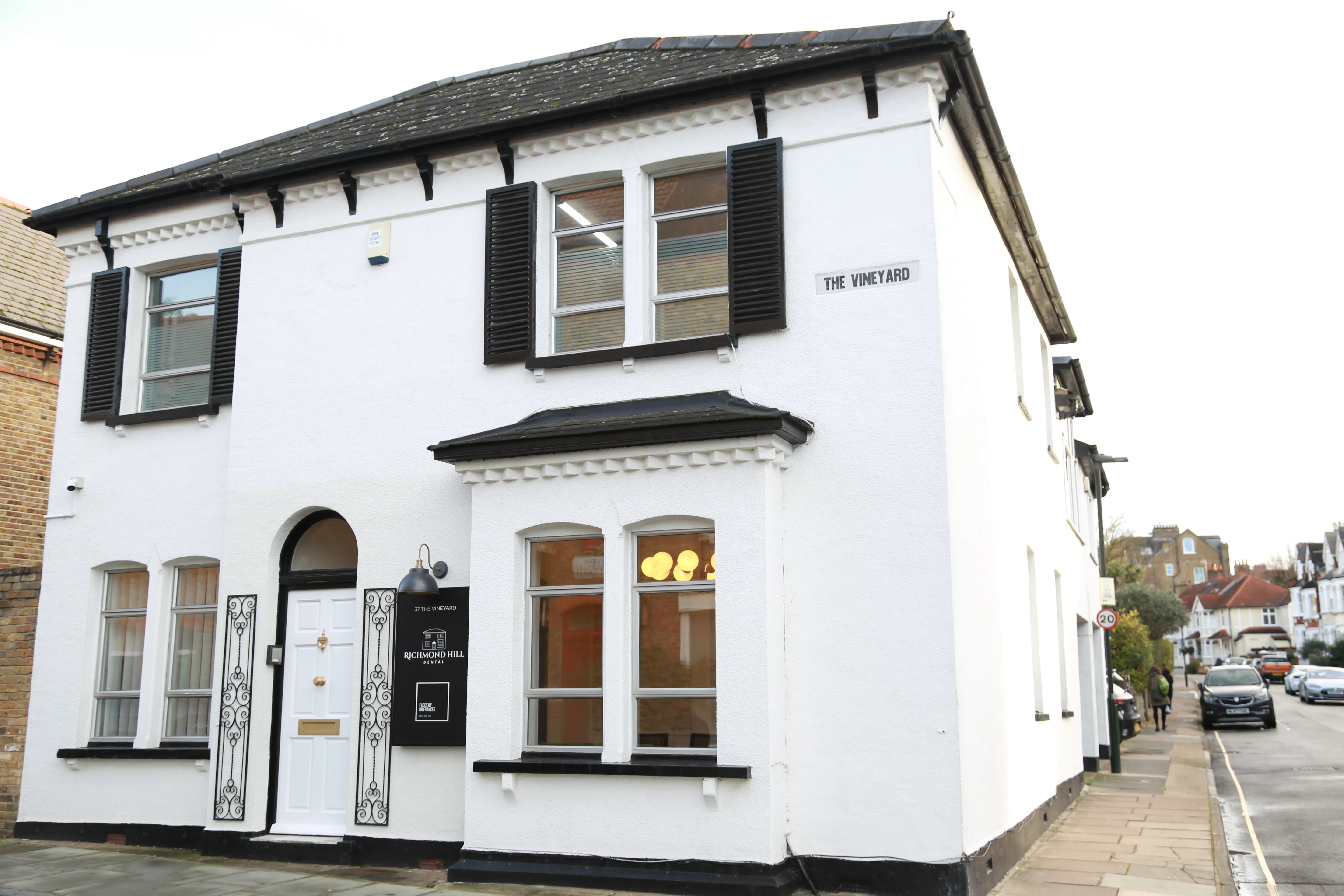
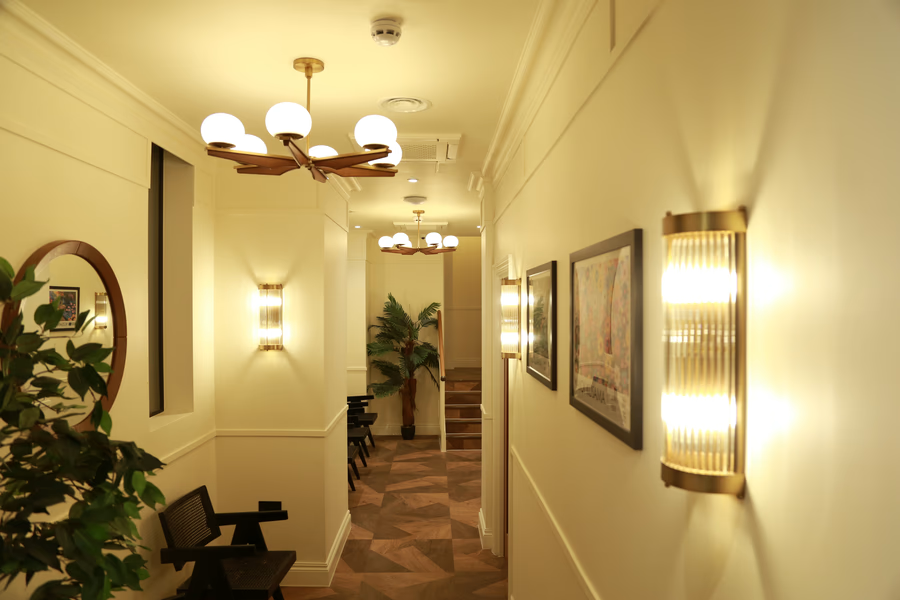
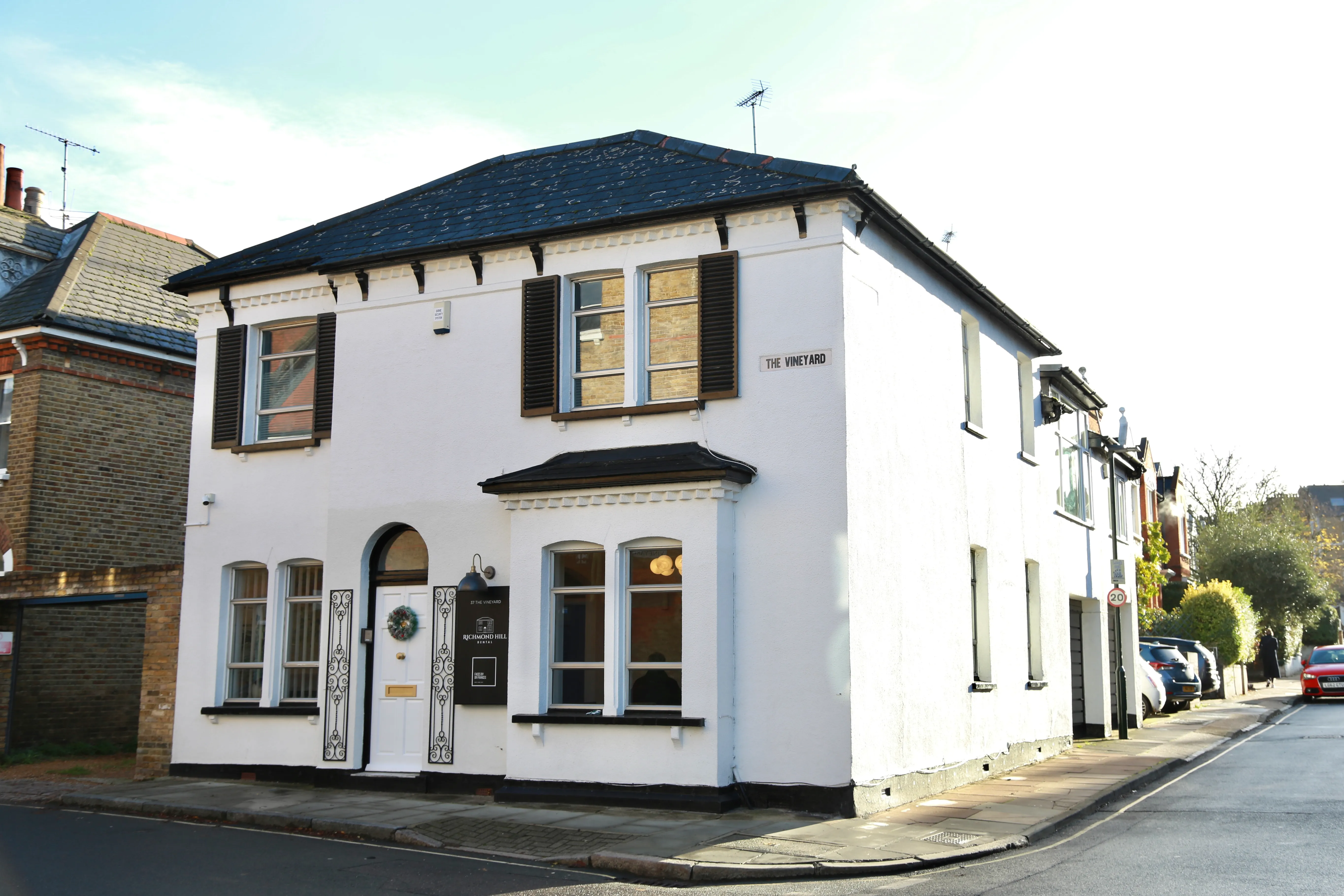
We've been carrying out implant treatment at our Vineyard practice for many years, with a quietly excellent reputation across Richmond, Kew, East Sheen and TW10. Many of our long-term patients still have implants placed 15 to 20 years ago, going strong. That kind of longevity comes from doing things properly - careful planning, established materials, and never cutting corners.

Your two main options at Richmond Hill Dental
When replacing several missing teeth, there are usually two sensible approaches. We'll always recommend the one that genuinely suits your case.
- Individual implants - one implant per missing tooth, each with its own crown. Maximum support and independence between teeth, ideal when the gaps aren't side by side
- Implant-supported bridge - fewer implants supporting multiple teeth across a bridge. More cost-effective for several adjacent missing teeth, while still being fixed, stable and natural-looking
Modern dentistry in Richmond powered by 3D scanning
Every multiple implant case begins with detailed digital planning. Our in-house 3D CBCT scanner shows your jawbone, nerves and surrounding anatomy in remarkable three-dimensional detail. Combined with digital iTero impressions, this lets our team plan every implant position virtually - long before surgery begins. The result is calmer, more precise treatment, and far fewer surprises.
Who is suitable for multiple dental implants?
This treatment tends to suit patients who:
- Are missing two or more teeth, either next to each other or in different parts of the mouth
- Want a fixed solution rather than something removable
- Are looking for an alternative to a large bridge that involves cutting down healthy teeth
- Have enough jawbone to support implants (or are open to bone grafting)
- Are in reasonably good general health

The benefits of choosing multiple implants
Patients tell us the difference makes a real impact:
- A fixed set of teeth that don't move, click or slip
- No effect on neighbouring healthy teeth (unlike a bridge)
- Each implant works independently, like a natural tooth
- Helps preserve your jawbone over time
- Easier to clean than a long bridge or denture
- Genuinely natural appearance and function
- Long-lasting, often decades with proper care
Your treatment journey at Richmond Hill Dental
Multiple implant treatment is a properly considered process, and we'll guide you through every step.
Step 1 - Your implant consultation
You'll meet our implant team for a dedicated consultation (£95). We'll examine the area, discuss your goals, and explain whether multiple implants are the right path - including how many you'll likely need.
Step 2 - 3D CBCT scan and digital planning
A detailed 3D scan shows us exactly what your jawbone looks like. We'll plan every implant position virtually, and you'll receive a fully costed written treatment plan to take home and consider.
Step 3 - Implant placement
On surgery day, the implants are gently placed under local anaesthetic - usually within a single appointment. IV sedation is available if you'd prefer to feel deeply relaxed throughout.
Step 4 - Healing and integration
Over the following 6 to 16 weeks, your implants bond firmly with your jawbone. Temporary restorations are often provided during this stage so you're never left with visible gaps.
Step 5 - Your final crowns or bridge
Once your implants are fully integrated, your final restoration is digitally designed and matched to your natural teeth. We'll fit it precisely, check every detail, and make sure you're properly happy before you leave.

How long does treatment take?
For most multiple implant cases, the full journey from consultation to final restoration takes three to six months. Patients who need bone grafting beforehand may need slightly longer. We'll always give you a clear, honest timeline at your consultation.
Multiple implants vs other replacement options
It's worth knowing how this compares to the alternatives:
- Multiple implants - higher upfront cost, but the most stable and long-lasting option, with no impact on neighbouring teeth
- Large bridges - lower cost but require cutting down healthy teeth on either side of the gap, and don't preserve bone
- Partial dentures - lowest cost but removable, less stable, and can feel uncomfortable
For a deeper comparison, see our missing teeth replacement options page.

Sedation for nervous patients in Twickenham and Richmond
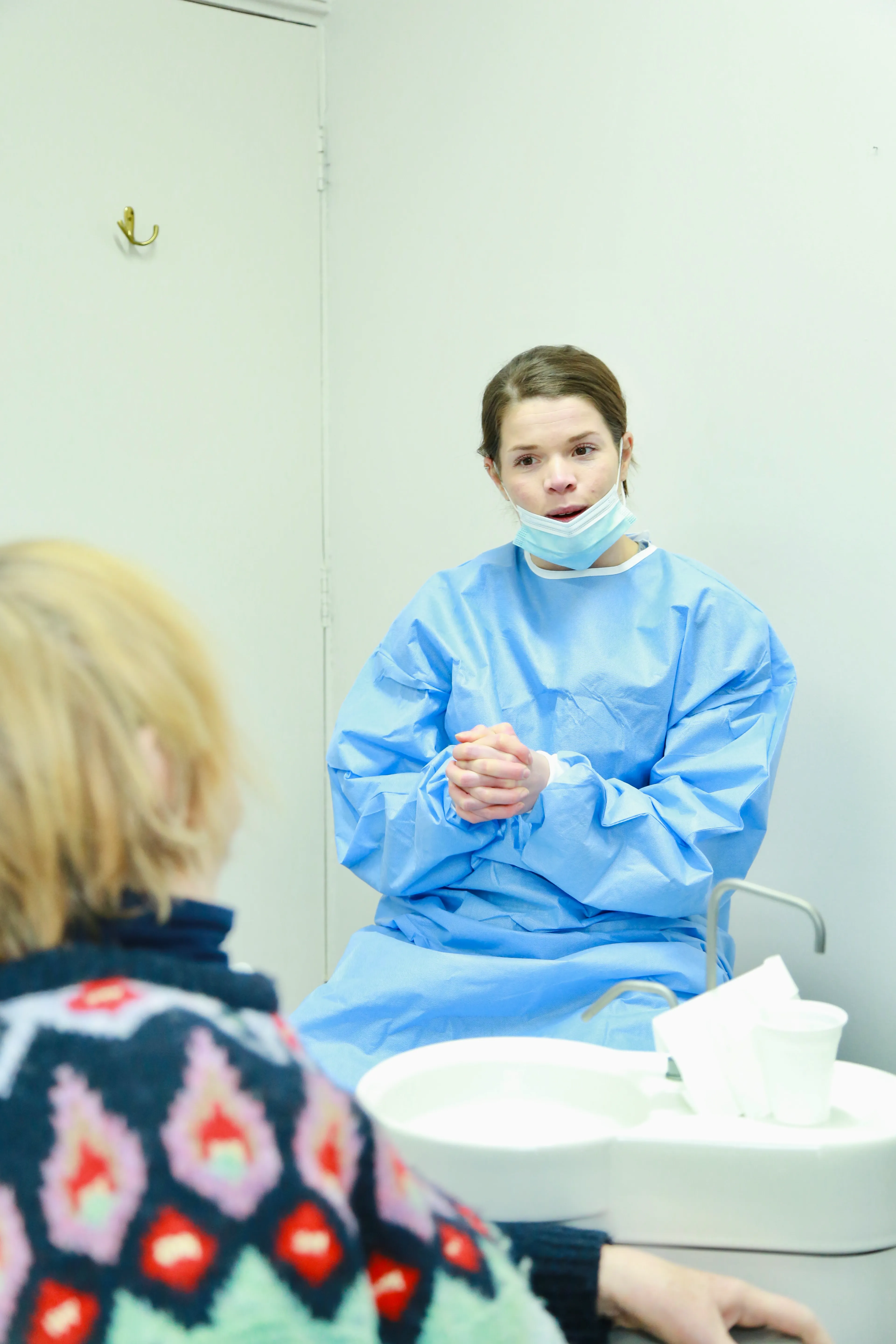
If you're feeling anxious about implant treatment, please know you're far from alone. IV sedation with Dr Frances Carling-Thom can help you feel deeply relaxed throughout, and most patients remember very little of the appointment afterwards.

How much do multiple dental implants cost in Richmond?
We're a fully private practice with transparent, upfront pricing:
- Implant consultation - £95
- 3D CBCT diagnostic scan - £125
- Dental implant - from £1,500
- Abutment and crown - from £1,500
- Bone graft (if needed) - from £1,200
- IV sedation - from £500
As a guide, replacing two to three missing teeth with multiple implants typically starts from around £6,000 and increases with the complexity of your case. You'll always receive a fully written treatment plan before agreeing to anything. See our full implant costs page for the complete breakdown.
Frequently asked questions
Do I need one implant per missing tooth?
Not always. For adjacent missing teeth, an implant-supported bridge can use fewer implants than there are teeth - often two implants supporting three teeth, for example. We'll always recommend the approach that gives you the best long-term result.
Will multiple implant placement be uncomfortable?
The whole area is fully numbed throughout, so you won't feel sharpness or pain at the time. Most patients say it was easier than a complex extraction. IV sedation is available if you'd prefer to feel deeply relaxed throughout the appointment.
How long do multiple implants last?
With good home care and regular hygiene visits, dental implants regularly last for decades. The crowns or bridge on top may need refurbishing after 10 to 15 years, depending on wear and care.
Will I be without teeth during treatment?
Usually not. For most patients, we can provide temporary restorations during the healing phase so you're never left with visible gaps. We'll talk you through what's possible at your consultation.
Can I have multiple implants if I have bone loss?
Often yes - with careful planning and sometimes bone grafting beforehand. Our 3D CBCT scan will show exactly what's possible for your specific case, and we'll be honest if a different approach would work better.
What's the difference between implants and a bridge?
A traditional bridge anchors to the healthy teeth either side of the gap, which usually means reshaping those teeth. Multiple implants replace each missing tooth (or several together) without touching neighbouring teeth at all - which is why most patients now prefer implants where they're suitable.