Reshape your smile with bonding and veneers

Whether you're after a subtle tweak or a complete transformation, composite bonding and veneers are two of the most beautiful ways to refine your smile. We're here to help you find the right one.

What's the difference between bonding and veneers?
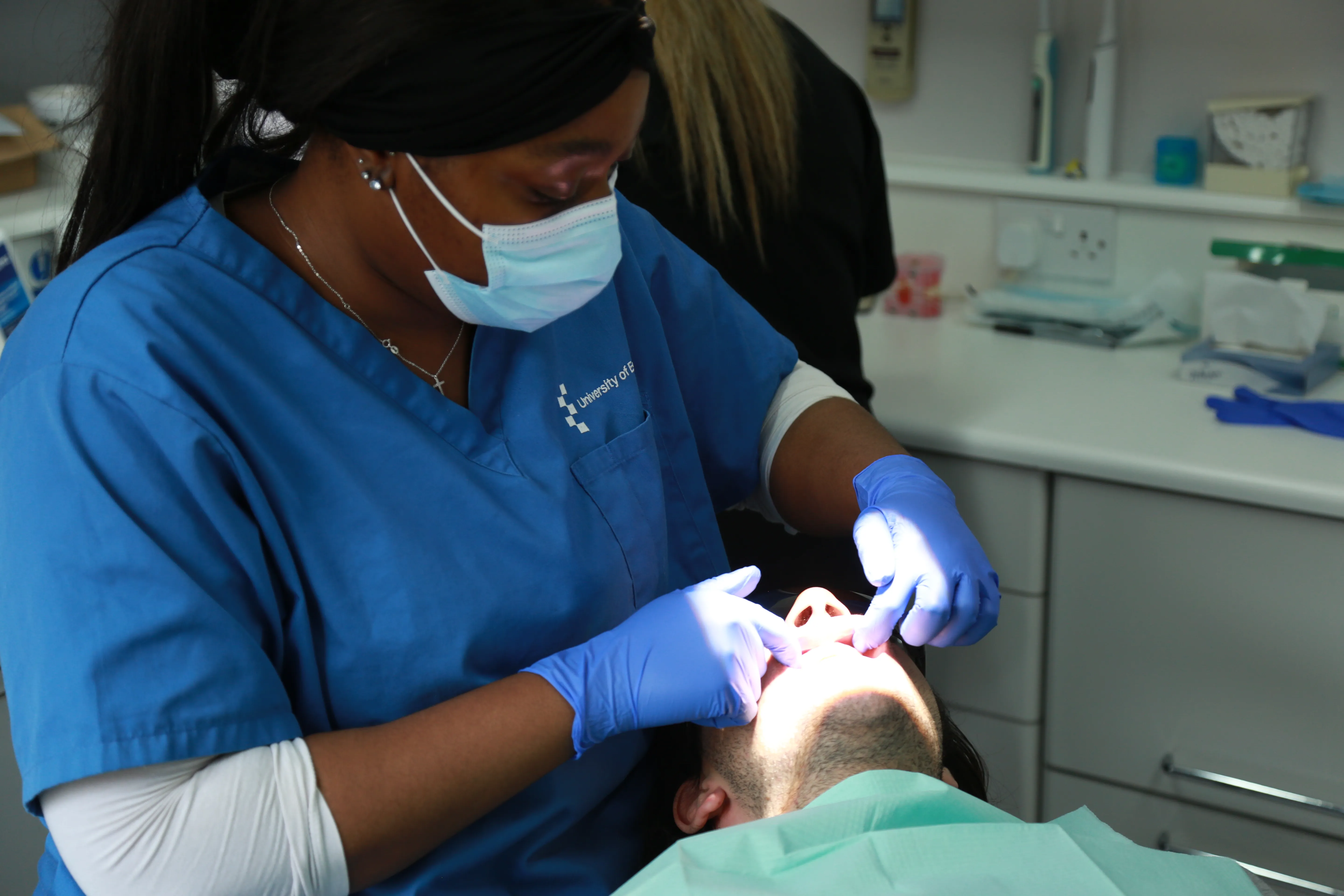
Composite bonding and porcelain veneers both reshape and refine the appearance of your teeth - but they go about it in different ways. Bonding uses a tooth-coloured resin that's sculpted directly onto your tooth in a single visit. Veneers are thin, beautifully crafted porcelain shells that are bonded to the front of your tooth across two visits.

Why your smile matters more than people admit
There's something genuinely powerful about feeling good when you smile. Patients tell us all the time how much it's held them back over the years - in photos, in meetings, in dating. Reshaping your smile isn't really about teeth. It's about feeling like yourself in front of other people again.

High-end dentistry in Richmond focused on long-term results
Our cosmetic work is built around longevity, not just instant impact. We use carefully selected high-quality materials, take time to plan every case digitally, and never recommend treatment that we wouldn't choose ourselves. That's why our patients in Richmond, Kew and East Sheen come back to us for life.

When composite bonding might be right for you
Composite bonding is a beautifully versatile treatment, and it's often the gentler option. It works well for:
- Closing small gaps between teeth
- Repairing small chips or worn edges
- Lengthening short or uneven teeth
- Reshaping pointed or oddly shaped teeth
- Masking minor staining that hasn't responded to whitening

When veneers might be the better choice
Veneers are usually the go-to for more significant transformations. They tend to be the right choice when:
- You're looking to change the shape, colour and size of multiple teeth
- Your teeth are heavily stained, worn or chipped
- You want a result that lasts longer than composite bonding
- You're after that bright, refined "hollywood smile" finish

How does composite bonding work?
Bonding is genuinely artistic dentistry. Your dentist sculpts a soft, tooth-coloured resin directly onto your tooth, shaping it carefully by hand before hardening it with a special light. It's then polished to blend seamlessly with your natural tooth - all in a single visit, with little or no removal of natural tooth structure.
How do porcelain veneers work?
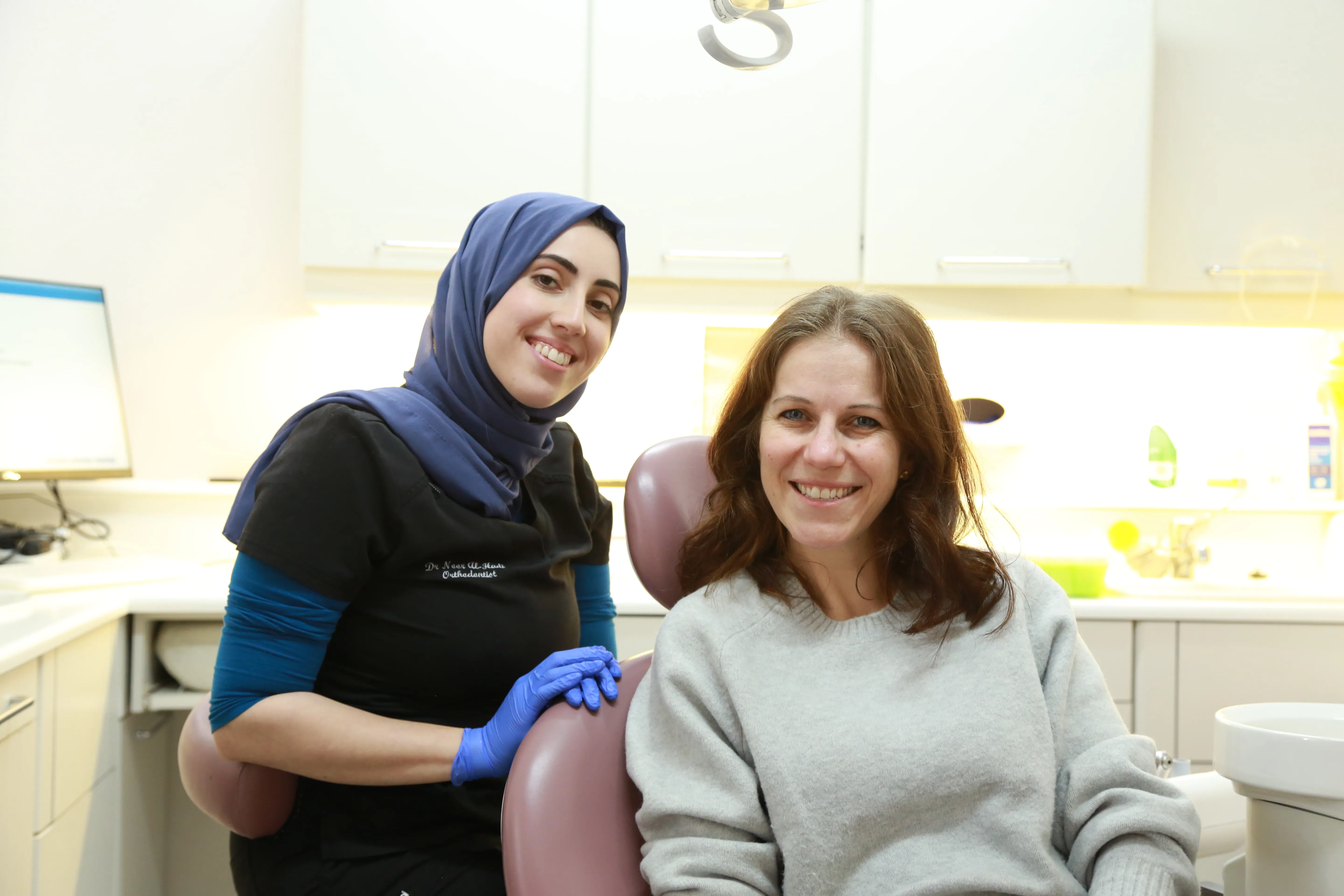
Veneers are crafted in a lab to fit your teeth precisely. Your first visit involves gentle preparation of the tooth surface and detailed digital scans, which we send to our master technician. At your second visit, your veneers are carefully bonded into place and polished to a beautiful finish.
Your bonding or veneer journey at Richmond Hill Dental
We treat every cosmetic case as a properly considered process, never rushed. Here's exactly how it unfolds
Step 1 - Your cosmetic consultation
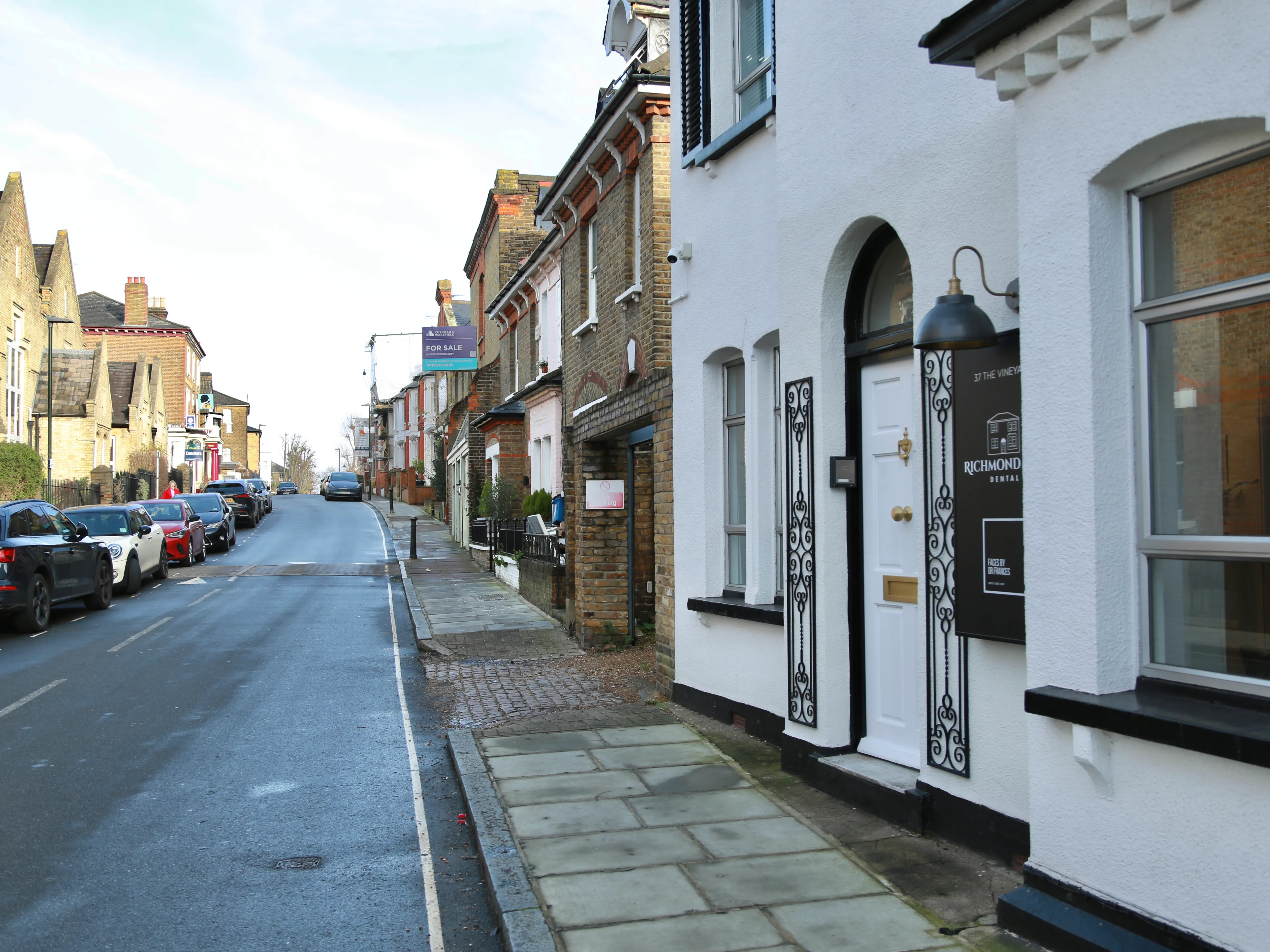
You'll have a dedicated consultation where we talk through what you'd like to change, examine your teeth and gums, and explain whether bonding, veneers or another option would suit you best.
Step 2 - Digital smile design
Using digital scans and photographs, we'll plan your new smile virtually - so you can see what's possible before any treatment begins. You'll leave with a clear plan and written estimate.
Step 3 - Treatment day
For bonding, your new smile is sculpted in a single visit. For veneers, your teeth are gently prepared and digitally scanned, with temporary veneers fitted while your final ones are crafted.
Step 4 - Fitting and finishing
For veneers, your second visit involves bonding the final porcelain into place and refining every detail. We'll check the fit, bite and finish carefully before you leave.
Step 5 - Aftercare and reviews
You'll go home with clear care instructions, and we'll see you for a follow-up review to make sure everything's settling beautifully. With good care and regular hygiene visits, your new smile will look stunning for years.

Should I whiten my teeth first?
Often, yes. Most patients choose to have professional teeth whitening before bonding or veneers, so we can match the new work to a brighter natural shade. Bonding and veneers don't whiten over time, so getting your base shade right first is genuinely worth doing.

How much does bonding and veneers cost in Richmond?
We're a fully private practice with transparent, upfront pricing on every option:
- Composite bonding - from £250 per tooth
- Porcelain veneers - from £850 per tooth
- Tooth whitening - from £500
- Cosmetic consultation - included with new patient examination
Frequently asked Questions
How long does composite bonding last?
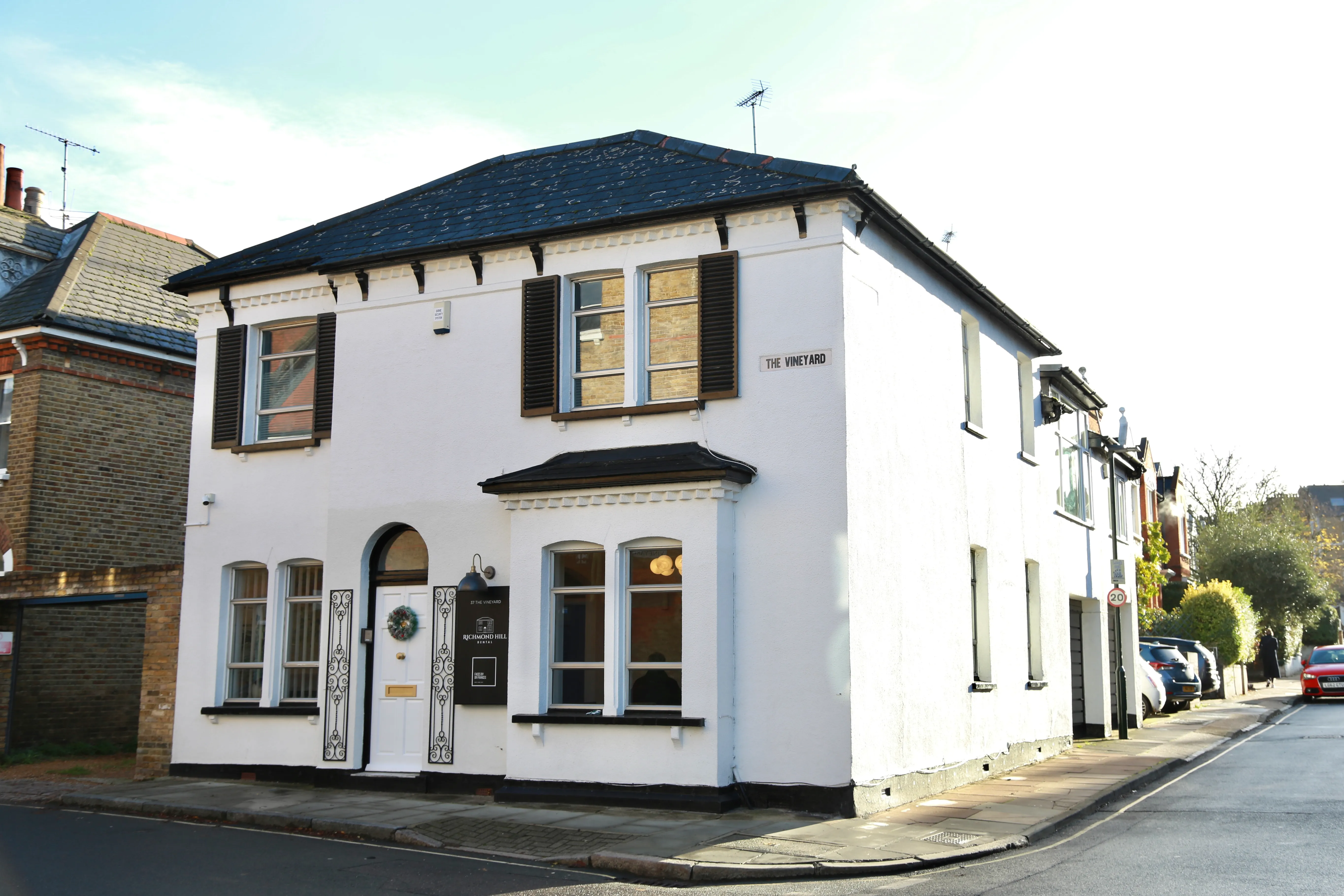
With good home care and regular hygiene visits, composite bonding typically lasts five to seven years before needing refreshing. It can stain over time (much like natural teeth), so avoiding heavy tea, coffee and red wine helps it last longer.
How long do porcelain veneers last?
A well-made porcelain veneer regularly lasts 10 to 15 years or more, often considerably longer. The porcelain itself is highly stain-resistant, so the colour stays beautifully consistent throughout.
Will I need to have my natural teeth filed down?
For bonding, usually not at all - the resin is added to your tooth rather than replacing any. For veneers, a thin layer of enamel (about the thickness of a fingernail) is gently removed to make space for the porcelain.
Will my new smile look natural?
Beautifully so, when planned well. We design every case to suit your face, age, lip line and personality - rather than handing out the same generic smile. Most patients say their new teeth look like the smile they always should have had.
Can I have bonding or veneers if my teeth are crooked?
Sometimes, but it depends on the degree of crookedness. For mild cases, bonding or veneers can work beautifully. For more significant misalignment, we'd usually recommend clear aligner treatment first, then refining the result with bonding or whitening.
Is the treatment uncomfortable?
Bonding is almost always completely comfortable and rarely needs any anaesthetic at all. Veneers involve gentle preparation of the tooth, which is done under local anaesthetic for full comfort. Most patients are surprised at how easy the whole process feels.