What to expect during your implant recovery

The implant procedure itself is usually quicker and calmer than patients expect. Recovery is too - though understanding what's normal makes everything feel easier from day one.

Why recovery matters more than people think
Most patients spend their pre-surgery worry on the implant placement itself. Honestly, that part is usually the easiest. What matters far more for long-term success is what happens in the weeks and months afterwards, while your jawbone gently bonds with the implant. The clever bit isn't the surgery - it's giving healing the space and care it needs.

Caring for Richmond families for over 30 years
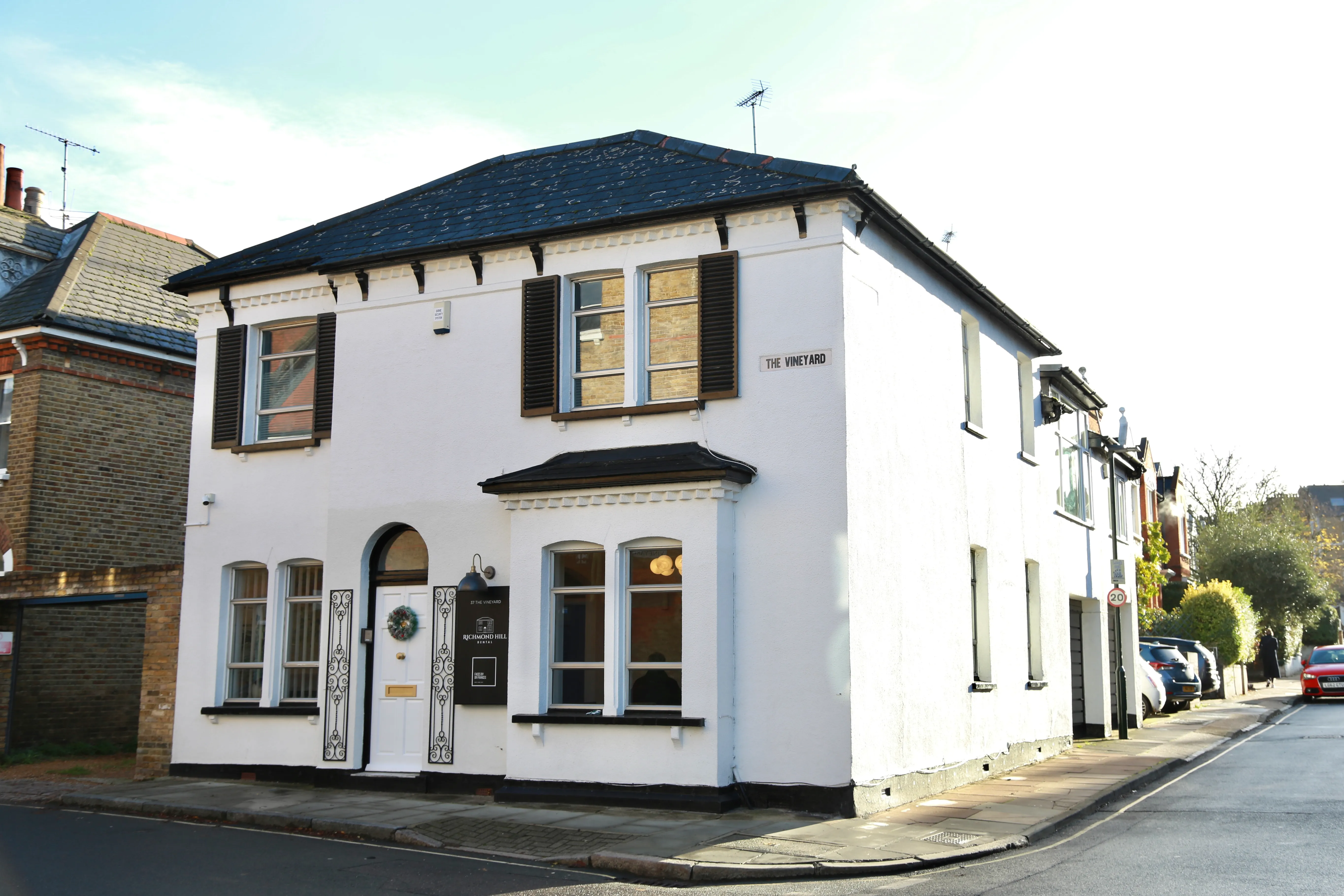
We've been carrying out implant treatment at our Vineyard practice for many years, and our patients tell us the aftercare is one of the biggest differences they notice. From the moment you leave your implant surgery, you'll have a direct contact number, clear written instructions and a team who genuinely want to know how you're getting on. You're never on your own.

Your dental implant healing timeline
Healing happens in stages, and each one matters in its own way.
- First few days (24-72 hours) - mild swelling and tenderness as the area settles
- First two weeks - gum tissue heals, any stitches are removed if needed, discomfort settles
- Bone integration phase (6-16 weeks) - the implant fuses with your jawbone in a process called osseointegration. The most important stage for long-term success
- Final restoration - once your implant is fully integrated, your crown, bridge or denture is fitted - usually three to six months after placement
The full process typically takes three to six months from implant placement to final restoration, depending on your specific case.
Modern dentistry in Richmond powered by careful planning
Every implant case is planned in detail using our in-house 3D CBCT scanner. This means we know exactly where each implant should go, how the surrounding bone will respond, and what kind of healing we're aiming for - long before surgery begins. The result is usually a calmer recovery and far fewer surprises along the way.
What to expect in the first few days
The first 72 hours are usually the most noticeable. Most patients tell us it's not as uncomfortable as they were expecting, but it's worth knowing what's normal:
- Mild swelling and tenderness around the implant site
- A small amount of bruising in some cases
- A dull ache that responds well to standard pain relief
- Slight bleeding for the first 24 hours
- Tiredness from the body's natural healing response
Almost every patient is back to work within one to two days, and back to normal activities within a few days.

The bone integration phase
Between weeks 2 and 16, the genuinely remarkable stuff happens, quietly, beneath your gum line. Your jawbone slowly bonds directly to the titanium implant in a process called osseointegration. This bond is what gives your implant its lifelong strength - and it's why we never, ever rush this stage. Once the bone has fully integrated, your implant becomes a permanent foundation for your new crown, bridge or denture.

Tips for a smooth implant recovery
A few simple things make a real difference to your healing:
- Eat soft foods for the first few days (soup, yoghurt, scrambled eggs, mashed vegetables)
- Avoid hot foods and drinks until the local anaesthetic has fully worn off
- Brush gently around the implant site - we'll show you exactly how
- Avoid smoking for at least the first 72 hours (ideally longer)
- Sleep with your head slightly elevated for the first night or two
- Avoid strenuous exercise, heavy lifting and contact sports for around a week
- Take pain relief as advised, before discomfort builds
- Stick to your follow-up appointments without exception
Aftercare support at Richmond Hill Dental
Most practices send you home with a leaflet and hope for the best. We do things differently:
- A direct contact number for your implant team, in case anything worries you
- Scheduled follow-up appointments built into your treatment plan
- Honest, no-judgement guidance whenever you call
- Clear written aftercare advice to take home
- Long-term hygiene support to keep everything healthy for years
You'll never feel like you're navigating recovery alone.

Signs of normal healing vs when to call us
Most recovery follows a predictable, gentle path. Normal signs include:
- Mild swelling that improves day by day
- Tenderness that responds to standard pain relief
- A small amount of bleeding in the first 24 hours
- Slightly tender gums for one to two weeks
Please call us straight away on 0208 940 1860 if you experience:
- Sharp, increasing pain after the first few days
- Heavy or persistent bleeding
- Significant swelling that's getting worse, not better
- Signs of infection (warmth, discharge, fever)
- A feeling that the implant is loose or moving
We'd far rather you called us about something minor than waited at home worrying.
Can implant recovery be sped up?
In some carefully selected cases, yes - certain protocols allow temporary teeth to be fitted on the same day as your implant surgery (see our All-on-X same day teeth page). However, the underlying biological healing still needs the time it needs. We'll always be honest about what can safely be accelerated for your case and what genuinely benefits from a more patient approach.
Sedation for nervous implant patients in Richmond
If you're feeling anxious about the procedure or recovery, please know you're far from alone. IV sedation with Dr Frances Carling-Thom can help you feel deeply relaxed throughout your implant placement, with most patients remembering very little of the appointment itself.
How much does implant treatment cost in Richmond?
Aftercare and review visits are included in your treatment plan, with no hidden fees. Our full fee structure:
- Implant consultation - £95
- 3D CBCT diagnostic scan - £125
- Dental implant - from £1,500
- Abutment and crown - from £1,500
- IV sedation - from £500
See our dental implant costs page for the complete breakdown.
Frequently asked questions
How long does it take to recover from implant surgery?
Initial recovery takes a few days, with most patients back to normal activities within a week. The deeper healing (bone integration) takes 6 to 16 weeks, although you won't feel anything different during this stage - it happens quietly in the background.
Is implant recovery uncomfortable?
Most patients are surprised at how mild it is. Mild swelling and tenderness for two to four days is normal, and standard pain relief is usually all that's needed. If you have any concerns, we're a phone call away.
Can I go back to work after implant surgery?
Yes - most patients return to work within one or two days. If your job involves heavy lifting or strenuous activity, we'd suggest taking a few extra days. We'll give you tailored advice based on your specific case.
What can I eat during implant recovery?
For the first few days, stick to soft foods like soup, yoghurt, scrambled eggs, mashed potato, hummus and bananas. Avoid anything hard, crunchy or very hot, and try to chew on the opposite side from the implant. You can gradually return to a normal diet as healing progresses.
When can I exercise after implant surgery?
Gentle activity like walking is fine straight away. We'd suggest avoiding strenuous exercise, heavy lifting and contact sports for around a week, as these can increase swelling and slow healing. Your implant team will give you specific advice for your case.
Should I take time off work?
Most patients take one to two days. If your work is physical, sedation was used, or multiple implants were placed, three to five days is more realistic. Please plan ahead so you're not rushing back too soon.
What if I'm worried about something during recovery?
Please call us. You'll have a direct contact number for the implant team, and we'd far rather hear from you about something minor than have you worry at home. Most concerns turn out to be completely normal healing, and the reassurance helps.
How do I look after my implant long-term?
The same way you look after natural teeth - careful brushing twice daily, interdental cleaning around the implant, and regular hygiene visits every three to six months. With proper care, your implant can last for decades.