Root canal treatment in Richmond
Root canal treatment has come a long way - it's now a gentle, predictable way to save a tooth that might otherwise be lost. Our skilled team is here to look after yours.


What is root canal treatment?
Root canal treatment (also called endodontic treatment) cleans infection out of the inside of a tooth, then carefully seals it to prevent further problems. It allows you to keep a tooth that would otherwise need extraction, which is almost always the kindest long-term option for your mouth.

Why saving your natural tooth matters
There's nothing quite as good as the tooth you were born with. Even with modern dental implants, keeping your natural tooth wherever possible means better function, better appearance and a healthier surrounding bone structure. Root canal treatment is one of the most powerful ways to do that.
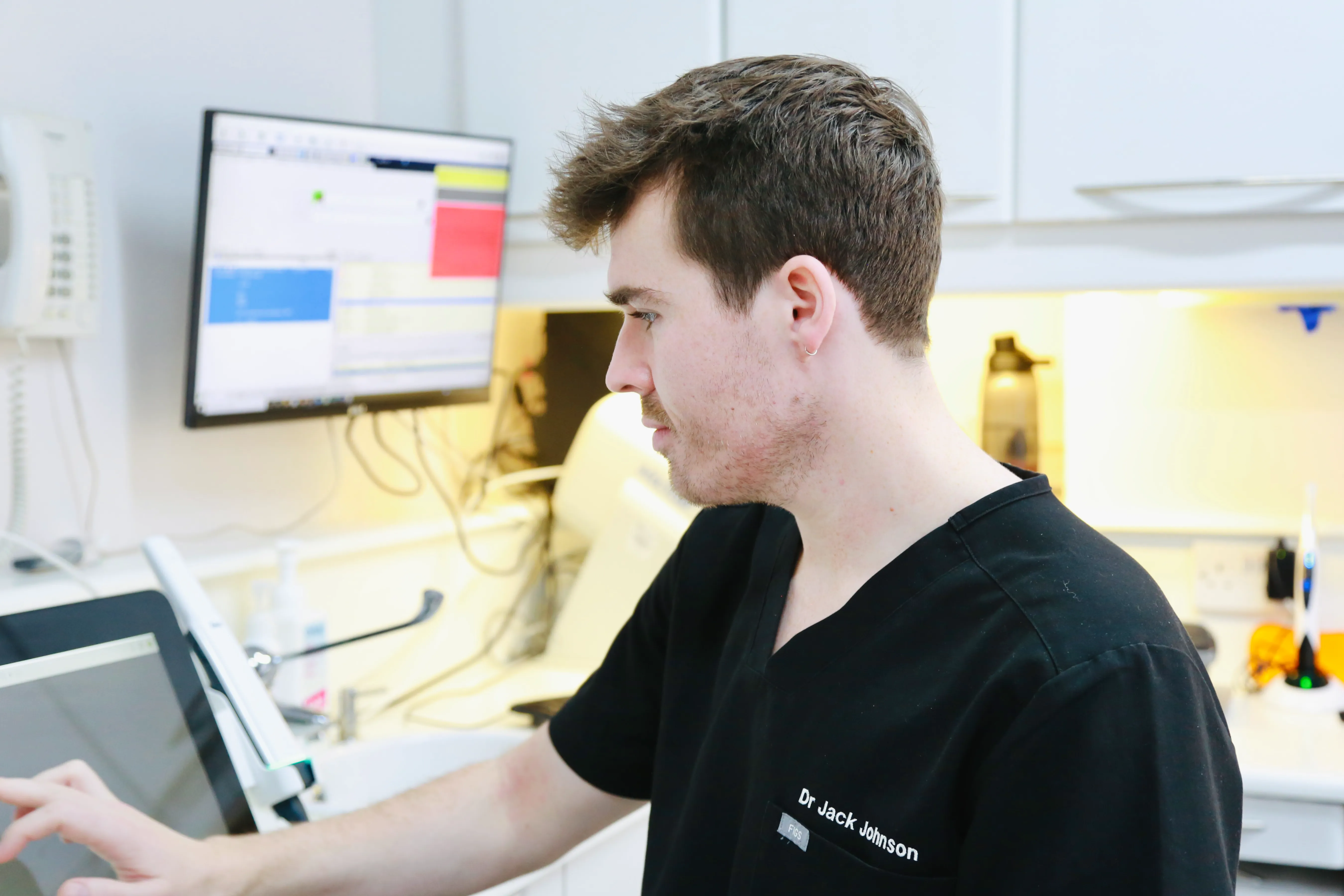
Modern dentistry in Richmond powered by advanced imaging
Our practice is equipped with a 3D CBCT scanner, which gives us a remarkably detailed three-dimensional view of the inside of your tooth before we begin. This means more accurate, more predictable treatment - and far fewer surprises along the way.
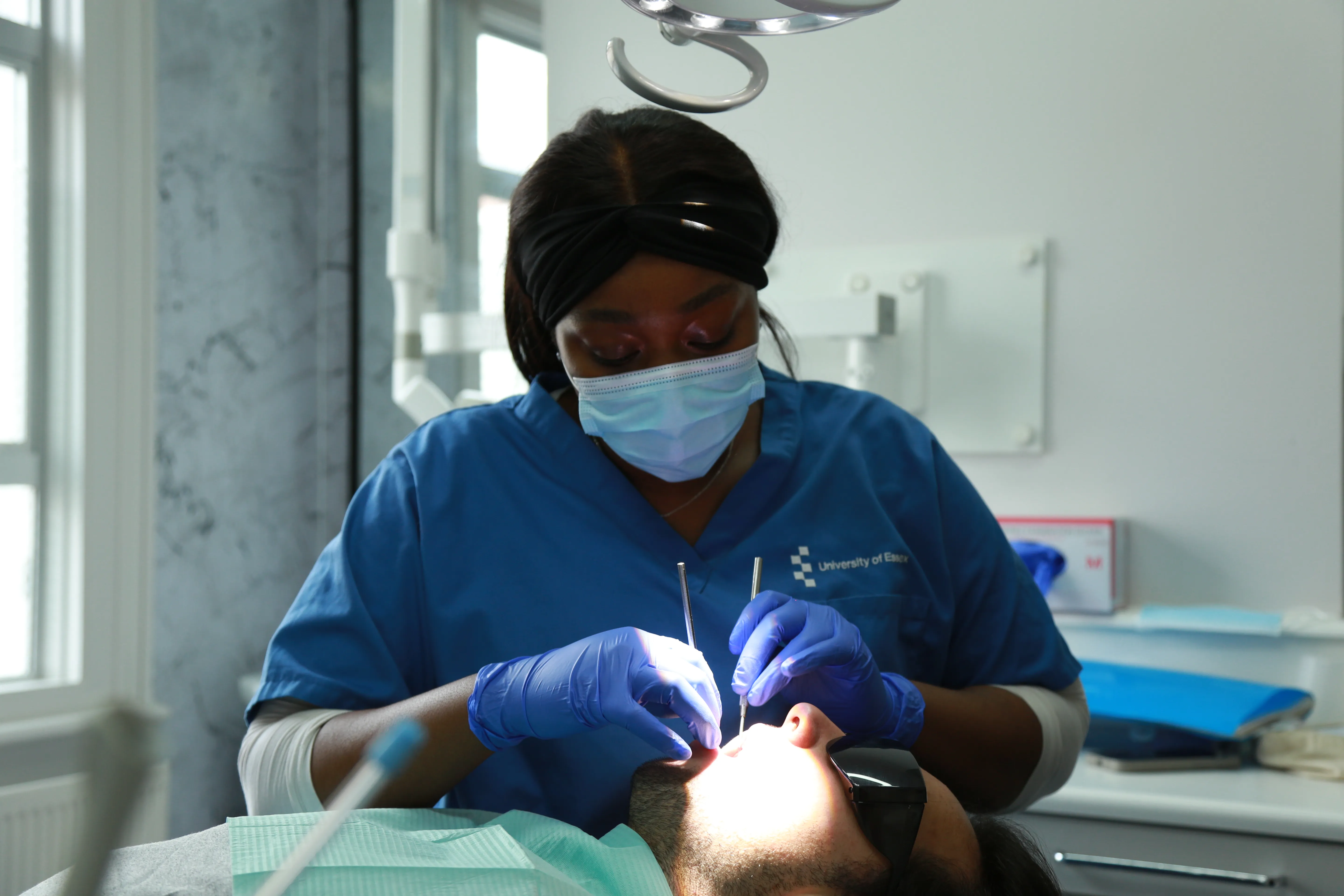
Signs you might need root canal treatment
The most common signs that the inside of a tooth is infected include:
- Persistent or throbbing toothache
- Sharp discomfort with hot or cold drinks that lingers
- A tooth that feels "different" when biting down
- Swelling around a tooth or in the face
- A small spot on the gum near a tooth (sometimes oozing)
- A tooth that's darkened in colour

How does root canal treatment work?
Inside every tooth is a delicate network of nerves and blood vessels called the pulp. When this becomes infected (usually through deep decay, a crack, or repeated dental work), it can cause significant discomfort and lead to an abscess if left alone. Root canal treatment carefully removes the infected pulp, cleans and shapes the inside of the tooth, then seals it with a special filling.
Your root canal journey at Richmond Hill Dental
We've designed every step of your treatment to feel calm, methodical and properly explained. Here's what to expect.
Step 1 - A careful diagnosis
Your dentist will examine the tooth, test how it responds to temperature and pressure, and use digital X-rays or a 3D CBCT scan to see exactly what's happening inside.
Step 2 - A clear treatment plan
We'll walk you through your options - including root canal, extraction or referral - and explain what each path would mean for your long-term smile. You'll leave knowing exactly what's coming
Step 3 - The treatment itself
The tooth is fully numbed and isolated with a small protective sheet. Your dentist will then gently clean out the infection, shape the canals, and seal the tooth - usually across one or two appointments.
Step 4 - Restoring the tooth properly
A tooth that's had root canal treatment usually needs a crown afterwards to protect it long-term. We'll talk you through your options and time the restoration to give the best possible result.

Sedation for nervous patients in TW10
If you're feeling anxious about treatment, you're far from alone. IV sedation with Dr Frances Carling-Thom can help you feel deeply relaxed throughout, and most patients remember very little of the appointment afterwards.

How much does root canal treatment cost in Richmond?
We're a fully private practice with transparent, upfront pricing on every stage:
- Root canal treatment - from £500
- Crown after root canal - from £850
- IV sedation - from £500
- 3D CBCT diagnostic scan - £125
Frequently asked Questions
Will root canal treatment be uncomfortable?
Modern root canal treatment is far gentler than its old reputation suggests. The tooth is fully numbed before we begin, and most patients say the appointment feels very similar to having a filling. Any tenderness afterwards usually settles within a few days.
How long does root canal treatment take?
Most root canal treatments are completed across one or two appointments, each lasting around 60 to 90 minutes. More complex cases (such as molars with multiple canals) may need a little longer.
Will I need a crown afterwards?
Usually, yes. A tooth that's had root canal treatment becomes more brittle over time, so a crown is the best way to protect it from fracture and give it a long, healthy future.
Is root canal better than extraction?
Wherever possible, yes. Saving your natural tooth is almost always the kindest long-term option. That said, there are situations where extraction (often followed by an implant) is the better path - and we'll always explain this clearly if it applies to you.
How long does a root-treated tooth last?
With proper care and a well-fitted crown, a root-treated tooth can easily last for many decades - often for life. Regular check-ups and good home care make all the difference.
What if the infection comes back?
Re-infection is uncommon but can happen, particularly if a tooth is left without a crown for too long. If it does, we can often re-treat the tooth or refer you to a colleague with a special interest in advanced endodontic work.