If you are thinking about improving your smile, you may have come across two popular options: composite bonding and porcelain veneers. Both treatments can enhance the shape, colour, and overall harmony of your teeth, but they are very different approaches. Understanding how each option works, what it involves, and who it is best suited for can help you make a confident and informed decision.
At Richmond Hill Dental, we spend a lot of time helping patients weigh up these choices carefully, because the right option is rarely the same for everyone.
Understanding Composite Bonding
Composite bonding involves applying a tooth-coloured resin directly to the surface of the tooth. The material is carefully shaped and polished to improve appearance, whether that means smoothing a chipped edge, closing a small gap, or improving symmetry.
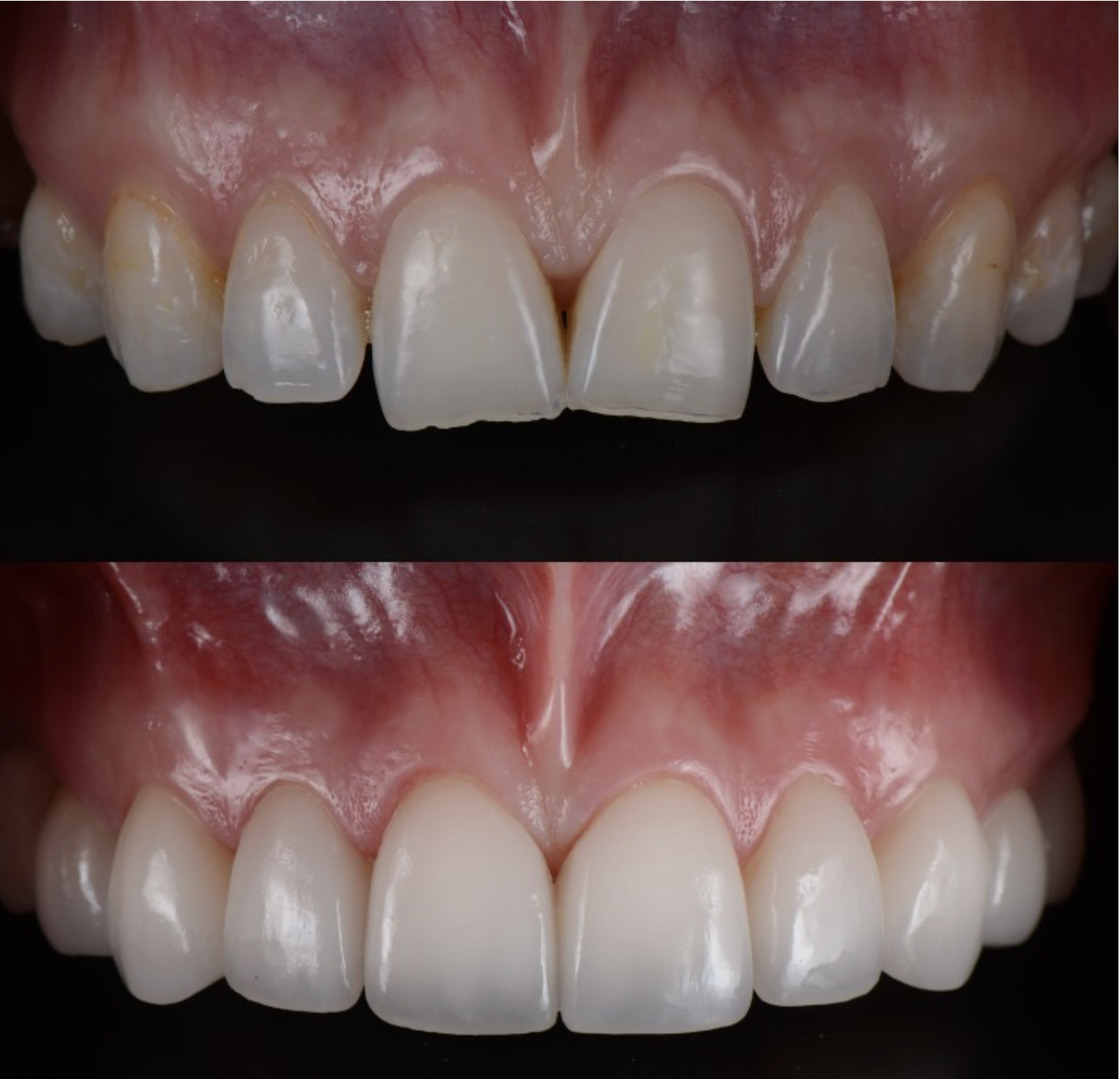
One of the main advantages of composite bonding is that it is minimally invasive. In many cases, little to no natural tooth structure needs to be removed. Treatment can often be completed in a single visit, which makes it appealing for patients looking for a relatively quick smile improvement.
“Composite bonding works best when we are making subtle, thoughtful changes,” explains one of our clinicians. “It allows us to enhance a smile while keeping the teeth as natural and untouched as possible.”
What Porcelain Veneers Involve
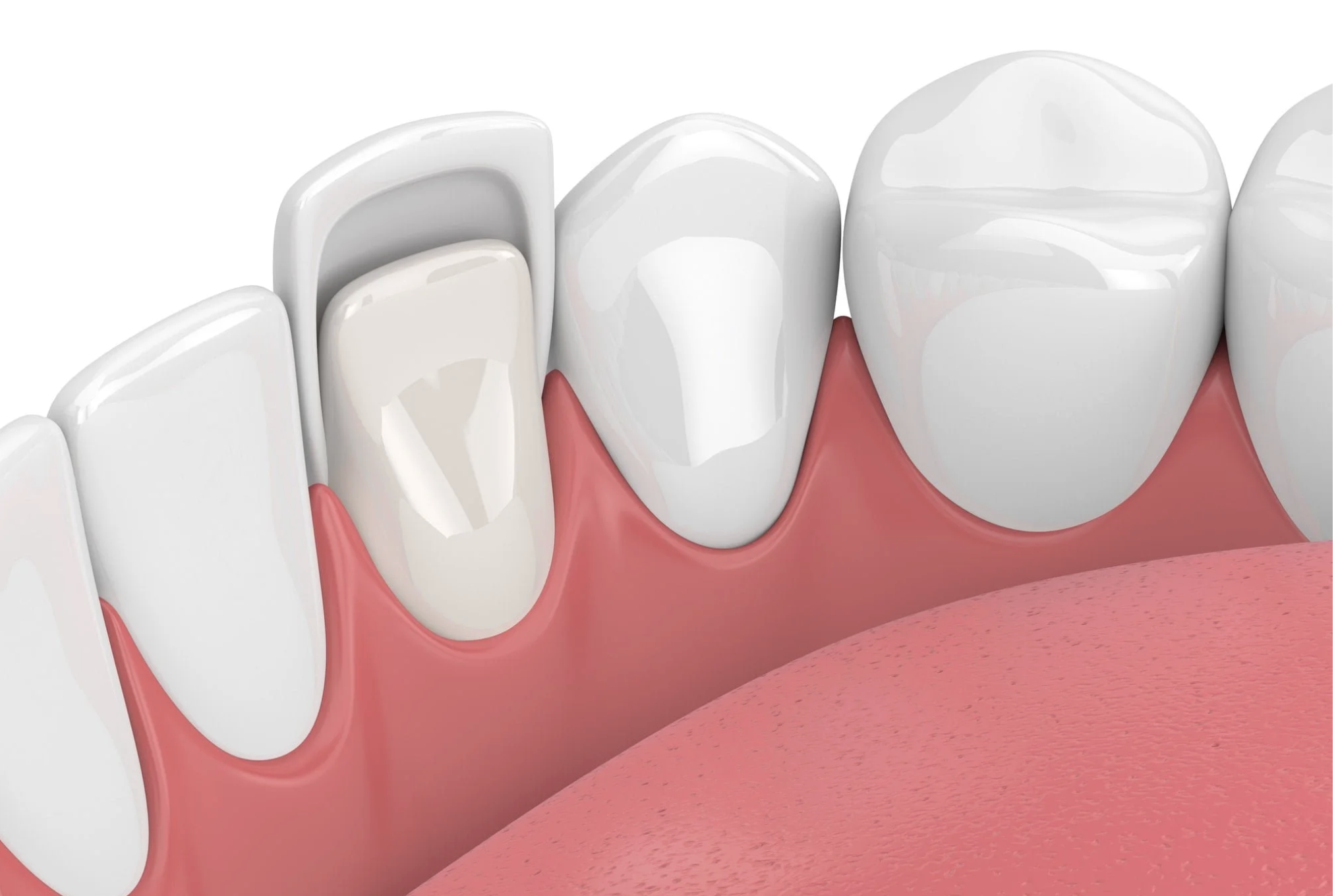
Porcelain veneers are thin ceramic shells that are custom made in a dental laboratory and bonded to the front surfaces of the teeth. They are designed to improve colour, shape, size, and overall balance of the smile.
Veneers usually require a small amount of enamel to be gently reshaped to ensure a precise fit and natural appearance. The process typically involves two or more visits, including careful planning, preparation, and final fitting.
Porcelain veneers are often chosen by patients seeking a more comprehensive or long-term cosmetic transformation.
How Do They Compare Aesthetically?
Both composite bonding and porcelain veneers can look very natural when carried out well. Porcelain veneers, however, tend to offer the highest level of aesthetic refinement. Porcelain reflects light in a way that closely mimics natural enamel and maintains its colour extremely well over time.
Composite bonding can also produce excellent results, particularly for smaller changes. Modern composite materials have improved significantly, although they may not quite match porcelain in terms of depth, translucency, or long-term polish.
“The key factor is not just the material,” says Dr Matthew Cottam. “It’s how carefully it’s planned and placed. Conservative, well-executed work will always look better than something rushed.”
Durability, Longevity, and Maintenance
Porcelain veneers are generally stronger and more resistant to staining than composite bonding. With good care, they can last ten to fifteen years or longer. They are less likely to chip and tend to hold their colour even with exposure to coffee, tea, or red wine.
Composite bonding typically lasts between three and seven years, depending on bite forces, oral hygiene, and lifestyle habits. It is more prone to staining and wear over time, but it can usually be repaired or refreshed without needing to replace everything.
Both options require good oral hygiene and regular dental reviews to maintain their appearance and longevity.
Tooth Preparation and Long-Term Commitment
One of the most important differences between the two options is how they affect your natural teeth.
Composite bonding is largely additive, meaning material is added to the tooth with minimal removal of enamel. This makes it a more conservative option and, in theory, more reversible. That said, it can be difficult to return the tooth exactly to its original state once bonding has been placed.
Porcelain veneers do require some enamel removal, even in minimally prepared cases. Once enamel is removed, veneers become a long-term commitment and will need to be maintained or replaced in the future. This is not a disadvantage, but it is an important point to understand before proceeding.
Cost and Lifestyle Considerations
Composite bonding is generally more affordable upfront and can be an excellent option for patients who want to enhance their smile without a large initial investment.
Porcelain veneers involve higher costs due to laboratory work, materials, and time. Many patients view veneers as a longer-term investment because of their durability and colour stability.
Lifestyle factors also matter. Composite bonding is more sensitive to habits such as nail biting, pen chewing, or grinding. If you enjoy highly pigmented foods and drinks or are looking for a lower-maintenance solution, porcelain veneers may be more suitable.
During your consultation at Richmond Hill Dental, we always provide a clear treatment plan with transparent costs so you can make an informed decision.
Why Careful Planning Matters
Whichever option you choose, careful planning is essential. We focus on smile design, facial balance, and long-term function, not just how teeth look in isolation. This often includes photographs, digital smile simulations, and trial smiles so you can visualise the result before treatment begins.
“A well-planned, conservative result will always look more natural and last longer,” explains Dr Cottam. “Cosmetic dentistry should enhance your smile, not overpower it.”
Making the Right Choice for You
There is no single right answer when choosing between composite bonding and porcelain veneers. The best option depends on your teeth, your goals, your budget, and how long you want the result to last.
Composite bonding offers a conservative, flexible, and affordable way to enhance your smile. Porcelain veneers provide greater durability, colour stability, and refinement for patients seeking a long-term transformation.
The most important step is a detailed consultation. At Richmond Hill Dental, we take the time to assess your teeth, listen carefully to what you want to achieve, and guide you towards the option that suits you best.
If you are considering cosmetic dental treatment and would like personalised advice, we would be delighted to help you explore your options and design a smile that feels natural, confident, and truly yours.